Advertisement
Tech shifts don't always knock at the door. Sometimes, they just burst in—and that's exactly what Amazon's CEO, Andy Jassy, implied during his recent chat about AI. His words were simple but heavy: Artificial intelligence will take over a good chunk of jobs across Amazon's operations. Not "might." Not "could." Will.
This isn't a story about a distant future where robots might do your shopping. This is about decisions being made now, today, inside one of the world's largest companies, where every small shift sets off a chain reaction.
He did not beat around the bush. Jassy was very specific in saying that the intention is not only to leverage AI but also to replace employees with it. The language was blunt. He discussed warehouse automation, quicker decision-making through machine learning, and even bigger language models entering roles that humans have done before. No beating around the bush. A plain declaration: AI will get the job done.
And Amazon’s track record shows they’re not in the habit of announcing things they’re not ready to act on. So when the CEO says the shift is coming, he’s probably not speculating. He’s declaring.
Let’s break it down. Amazon isn’t just a delivery company. It’s a machine with countless moving parts—from the click of an “Add to Cart” button to the van that shows up at your door. And according to Jassy, AI will weave through all of it.
The most immediate change is happening here. Amazon has already invested heavily in robotics, but AI takes that to a different level. We're not just talking about robots picking packages. We’re talking about systems that decide the most efficient route, choose packaging, and maybe even predict what you’ll order before you do.
Workers in these centers already feel the shift. AI doesn’t take lunch breaks. It doesn’t tire. And once the bugs are worked out, it won’t make many mistakes. Jassy’s comments confirm that humans won’t just work alongside machines—they’ll likely be phased out of key tasks altogether.
Generative AI models like the ones powering tools such as ChatGPT aren’t just experiments anymore. Amazon has been testing similar models to replace human support agents. The shift means faster response times, consistent answers, and fewer staffing headaches.
What used to be a team of people responding to emails, chats, and calls could soon be managed by one AI system running 24/7. From a business angle, it's efficient. From a worker's perspective, it's unsettling.
AI is also stepping into route optimization—deciding how packages move from the warehouse to the doorstep. These are decisions that used to require local know-how and human judgment. But data-driven models can now predict traffic patterns, weather changes, and delivery timelines with higher accuracy.
Jassy hinted that these improvements are already in play. The result? Fewer roles for regional managers and dispatch coordinators who once made these calls manually.
This one’s quieter but no less significant. Behind the scenes, AI is learning how to manage inventory without human input. It studies sales patterns, seasonal trends, and market shifts to stock items in the right places at the right time.
In practical terms, that means fewer analysts and buyers. AI can learn from years of data in seconds. It can spot what’s selling, what’s slowing down, and how people might respond to a price drop—all without a single coffee break.
When a company of Amazon’s size makes a move like this, others follow. It’s not about competition—it’s about survival. If Amazon cuts costs and boosts output using AI, every other major player has to respond or risk falling behind.
That puts millions of jobs on the line—not just at Amazon, but across retail, logistics, tech, and service industries.
This also isn’t a one-department transition. AI’s strength lies in its reach. Once it’s trained and deployed, it doesn’t need onboarding, benefits, or HR oversight. It doesn’t get sick. And once it replaces a team, there’s no going back.
The shift to AI isn’t waiting for approval. It’s happening. Jassy’s comments just pulled back the curtain. Workers are already seeing the changes. Some are learning to work with AI tools. Others are watching their roles shrink or disappear entirely. Meanwhile, Amazon is expanding its AI footprint—not as a support tool, but as a replacement strategy.

We’ve seen waves like this before. Industrial machines replaced factory hands. Computers replaced filing clerks. But AI is different. It’s not automating one step—it’s absorbing whole workflows. This time, the change is deeper. It’s not just about speed—it’s about autonomy. AI doesn’t just do what it’s told. It learns. It adapts. And it improves with each task.
Andy Jassy didn’t soften the message. He didn’t hide behind cautious optimism or distant hypotheticals. He said it plainly: AI is replacing jobs across Amazon operations. Not assisting. Replacing. And while it's tempting to think of this as a one-company issue, it's not. This is the beginning of a wider shift, one that reshapes not just who does the work, but what "work" even means going forward. Whether you're inside Amazon or far outside of it, this isn't a moment to ignore. The ground is already moving.
The conversations happening today will shape policies tomorrow. Businesses are watching, but so are employees, and many are wondering if their roles will quietly vanish next. What's unfolding isn't a transition; it's a pivot that doesn't pause.
Advertisement

Data scientists should learn encapsulation as it improves flexibility, security, readability, and maintainability of code
Discover how observability and AIOps transform IT operations with real-time insights, automation, and smart analytics.

Discover how AI in weather prediction boosts planning, safety, and decision-making across energy, farming, and disaster response
Learn how advanced SQL techniques like full-text search, JSON functions, and regex make it possible to handle unstructured data

Explore how AI is boosting cybersecurity with smarter threat detection and faster response to cyber attacks

AI is reshaping the education sector by creating personalized learning paths, automating assessments, improving administration, and supporting students through virtual tutors. Discover how AI is redefining modern classrooms and making education more inclusive, efficient, and data-driven
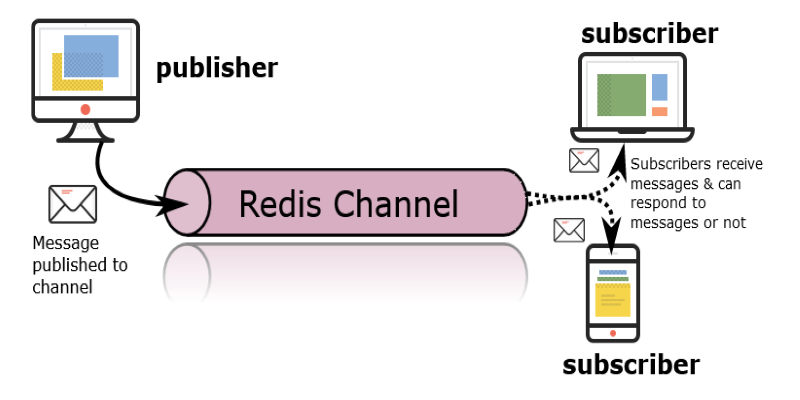
Need instant updates across your app? Learn how Redis Pub/Sub enables real-time messaging with zero setup, no queues, and blazing-fast delivery

Machine learning is redefining identity theft detection by recognizing behavioral patterns, preventing fraud in real time, and improving accuracy. Discover how this technology helps organizations stay ahead of digital threats while creating a safer online experience for users

Learn to boost PyTorch with custom kernels, exploring speed gains, risks, and balanced optimization for lasting performance

Meta is restructuring its AI division again. Explore what this major shift in the Meta AI division means for its future AI strategy and product goals

Can $600 million change the self-driving game? This AI freight company isn’t chasing hype—it’s delivering real-world results. Here's why the industry is paying close attention

The UK’s AI Opportunities Action Plan outlines new funding, training, and regulatory measures to boost artificial intelligence innovation. Industry responses highlight optimism and concerns about its impact