Advertisement
Nvidia has taken a significant step forward in expanding the capabilities of its Omniverse platform by integrating a generative AI suite. This update, which was unveiled at CES 2025, marks a transformative shift in how developers, engineers, and industries create and simulate virtual environments. This update empowers users to automate asset generation, build complex 3D scenes, and simulate real-world environments more effectively than ever before.
In this article, we will examine how Nvidia's generative AI suite is reshaping the Omniverse and its broader implications for the future of industrial and creative work.

The generative AI suite is a set of powerful AI-driven tools designed to simplify 3D asset creation, labeling, and scene simulation within the Omniverse platform. Generating detailed 3D environments has always been time-consuming and labor-intensive due to the manual input required. Nvidia's AI suite transforms all that by enabling developers to make simple text requests to automatically create photorealistic 3D assets and entire scenes at lightning speed.
The suite incorporates tools such as the Cosmos World Foundation models, NIM (Nvidia Inference Microservices), and Edify SimReady, which complement each other to automate labeling, scene creation, and physics simulation. This synergy minimizes the time and cost of creating complex digital worlds, making the technology more accessible across various industries.
Key Points:
Before the integration of generative AI, it was possible to create and label assets in Omniverse manually, a process that was time-consuming and cumbersome. It's now done almost instantaneously. Developers can build assets, add materials, and implement physical properties using natural language instructions.
The AI suite also enhances simulation fidelity by offering physics-aware assets that can realistically interact inside virtual scenes. This is especially useful in industries such as automotive, manufacturing, and robotics, where precise simulations are essential for product testing and development.
Furthermore, AI tools enable the rapid creation of synthetic datasets, which are crucial for training autonomous systems, such as self-driving cars and industrial robots.
Key Points:
Nvidia's new release features several robust enhancements that augment the generative AI platform. Some of these include:
Together, these features form an integrated, automated development environment that maximizes speed and scale.
Key Points:
The incorporation of generative AI into Omniverse has wide-ranging implications for the industrial and creative pipelines. For manufacturers, this implies quicker development timelines through streamlined simulation of factory floors, assembly lines, and robotics.
For creative professionals, the ability to create natural-looking 3D environments in real-time for gaming, movies, and virtual reality opens up new possibilities. Designers and artists can rapidly prototype scenes, cutting time between idea and realization.
In addition, businesses can now expand their digital twin operations with fewer humans involved, facilitating more intricate simulations at lower cost.
Main Points:
Several leading companies and partners have already begun incorporating Nvidia's generative AI suite into their operations. They include:
These collaborations illustrate the industrial adaptability and value of Nvidia's AI-powered Omniverse technology in various industries.
Key Points:

The main advantages of Nvidia's generative AI suite within Omniverse are:
These benefits enable industries to cut development bottlenecks and innovate more effectively.
Although the update brings many advantages, some potential challenges may remain. Overdependence on AI-created assets may restrict creative freedom or lead to the homogenization of content design. Security and privacy of data are also issues, particularly when using cloud-based microservices.
Furthermore, ensuring that AI-based simulations are as reliable as those produced by human professionals remains a significant concern. Ongoing checks and human supervision are needed to ensure quality and confidence in AI-driven workflows.
Nvidia's introduction of a generative AI suite to the Omniverse platform is a giant leap forward in digital simulation and industrial automation. By allowing users to create intricate 3D environments using plain text prompts and letting Nvidia handle asset labeling and physics assignments, Nvidia has advanced Omniverse to be more capable and user-friendly than ever. This update accelerates workflows, lowers costs, and brings new opportunities in manufacturing, automotive, robotics, and creative industries. As more businesses incorporate these state-of-the-art tools, Nvidia's Omniverse will be the standard for the next generation of AI-driven design, simulation, and digital twin creation.
Advertisement

Meta is restructuring its AI division again. Explore what this major shift in the Meta AI division means for its future AI strategy and product goals

Learn key strategies for prompt engineering to optimize AI language models and improve response accuracy and relevance

AI is reshaping the education sector by creating personalized learning paths, automating assessments, improving administration, and supporting students through virtual tutors. Discover how AI is redefining modern classrooms and making education more inclusive, efficient, and data-driven
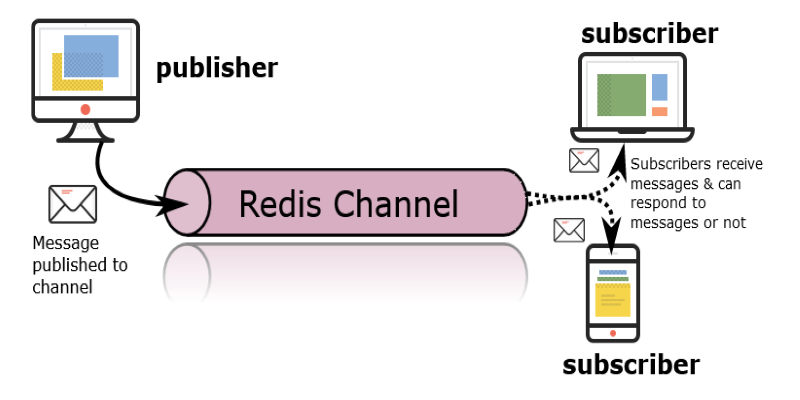
Need instant updates across your app? Learn how Redis Pub/Sub enables real-time messaging with zero setup, no queues, and blazing-fast delivery
AI tools for solo businesses, best AI tools 2025, AI for small business, one-person business tools, AI productivity tools

Can $600 million change the self-driving game? This AI freight company isn’t chasing hype—it’s delivering real-world results. Here's why the industry is paying close attention

Learn to boost PyTorch with custom kernels, exploring speed gains, risks, and balanced optimization for lasting performance

Learn how AI innovations in the Microsoft Cloud are transforming manufacturing processes, quality, and productivity.
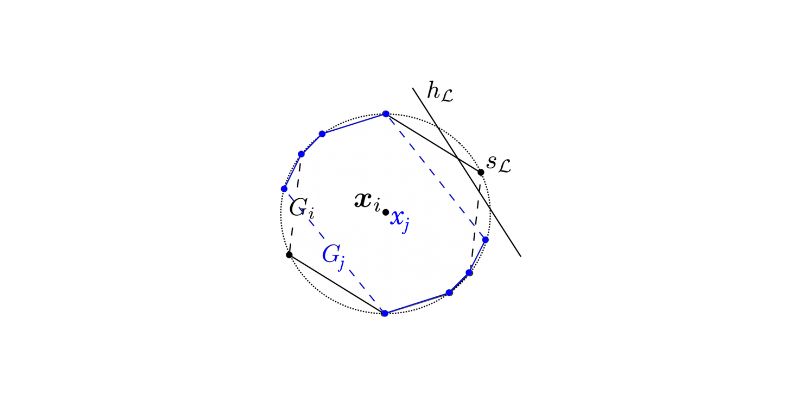
Explore statistical learnability of strategic linear classifiers with simple walkthroughs and practical AI learning concepts
Compare Power BI vs Tableau in 2025 to find out which BI tool suits your business better. Explore ease of use, pricing, performance, and visual features in this detailed guide
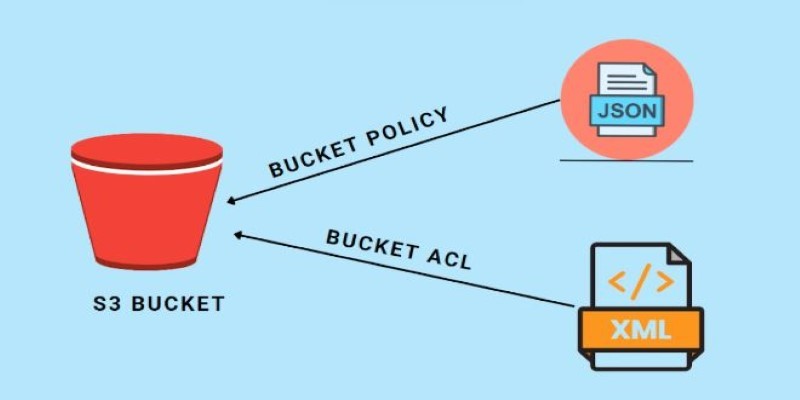
How AWS S3 buckets and security work to keep your cloud data protected. This guide covers storage, permissions, encryption, and monitoring in simple terms

Explore how AI is transforming drug discovery by speeding up development and improving treatment success rates.