Advertisement
Coding has become more than a technical act; it’s a rhythm. Developers often describe it as “vibe coding” — that state of flow where ideas move faster than thought. You type with instinct, push code with confidence, and let creativity guide structure. It feels good, but this relaxed style can accidentally open security gaps.
Many small habits — skipping validation, reusing snippets, leaving debug logs — can make applications vulnerable. Writing code that flows doesn’t have to mean writing code that leaks. The key is keeping that rhythm while still coding with awareness, balance, and care.
Vibe coding is about energy and momentum. It’s when your focus sharpens, distractions fade, and solutions form naturally. It’s how most developers produce their best work — intuitive, expressive, fast. But it’s also when security tends to fade into the background. You might skip setting proper access controls or push code without scanning for vulnerabilities.
When you’re in the zone, you’re solving problems at speed. You’re not thinking about input sanitization, rate limits, or dependency checks. Yet these overlooked details are exactly where attackers look. Security problems rarely appear as dramatic failures; they’re usually the result of one forgotten check or one line of code that didn’t seem dangerous.
The goal, then, isn’t to stop vibe coding. It’s to make secure habits part of that vibe so they become natural instead of forced.
Developers often treat security as an afterthought, something to handle at the end of a sprint. That’s the biggest mistake. The best time to handle security is while you’re building — when your design choices are still flexible. Integrating security into your coding flow means adjusting how you think, not slowing yourself down.
Start by using secure defaults. Always assume input can be hostile. Encode or escape anything that touches a database, HTML, or file system. Use frameworks and libraries that handle common security functions for you, such as authentication, instead of reinventing them. Modern tools like linters, dependency scanners, and IDE plugins can quietly watch your back while you code.
Version control should include pre-commit hooks that run basic security tests or flag hardcoded secrets. You don’t need to interrupt your flow; automation can do that heavy lifting. Over time, you’ll stop viewing these checks as chores. They’ll feel like rhythm — part of the music of coding.
When you’re coding by feel, you tend to trust your intuition. That’s fine for structure, but not for security. Here are the traps that most vibe coders fall into — and how to avoid them without killing your energy.
You’re focused on making the app work, not on what users might input. But never assume clean data. Attackers rely on this mistake. Always sanitize inputs, even if the source seems internal. Frameworks like Django, Express, or Spring provide built-in filters — use them.
GitHub, Stack Overflow, or old repos can be great shortcuts. But code from the internet might hide outdated practices or unsafe methods. Before pasting, check what it does. One weak regex can expose your system.
Logging everything feels handy during development. But logs can reveal tokens, API keys, or user data. Always switch to structured logging with sensitive data masked before going live.
You might depend on open-source libraries for speed. Yet each dependency brings its own risks. Use tools like Dependabot or npm audit to check for known vulnerabilities, and don’t forget to update often.
When you’re just testing, it’s easy to disable auth for convenience. The danger is forgetting to turn it back on or assuming “it’s fine for now.” Every skipped check creates a hole that can spread later.
The point isn’t to kill your momentum. It’s to recognize these traps before they become habits. The more aware you are, the easier it is to keep your rhythm without stumbling into a breach.
Good security isn’t about paranoia; it’s about discipline disguised as ease. The trick is to make secure coding second nature — a part of how you work, not something extra you have to remember.
Start by customizing your environment to help you. Set up your IDE to highlight unsafe patterns or suggest secure alternatives. Use extensions that warn about weak encryption or insecure network calls. This lets you fix issues on the spot instead of during review.
Code reviews should focus not just on function but on exposure. When you submit a pull request, ask yourself, “If this went public today, would I be fine with that?” Thinking this way keeps you honest. It also helps you catch small things — unescaped variables, verbose error messages, or hidden credentials — before they become real problems.
Another key step is to practice "threat awareness" during design. Before you write a single line, picture how someone could misuse what you're building. This mindset doesn't block creativity; it guides it. You start designing with boundaries that protect your ideas, rather than limiting them.
You can also adopt lightweight habits like rotating keys, encrypting local config files, or using temporary tokens for testing. These steps seem small, but they build a rhythm of caution that doesn't interrupt your vibe.
Over time, secure coding becomes muscle memory. You’ll start thinking of it less as “security” and more as just good practice — like writing clean functions or naming variables clearly.
Coding should always feel alive — an act of creation, not fear. But awareness keeps that freedom intact. “Vibe coding” without security isn’t really free; it’s reckless. True freedom in programming comes when you can move fast without breaking things that matter. You don’t need to slow down to stay safe. You just need habits that move with you: scanning dependencies, validating input, using secure frameworks, and thinking like an attacker for a moment before pushing code. When security becomes part of your rhythm, your creativity thrives without risk. That’s the sweet spot — where the code flows, the vibe stays, and nothing breaks behind the scenes.
Advertisement

Explore how Nvidia's generative AI suite revolutionizes the Omniverse, enhancing 3D simulations, automation, and efficiency
Explore how AI enhances employee performance, learning, and engagement across today's fast-changing workplace environments.

Learn how AI is being used by Microsoft Dynamics 365 Copilot to improve customer service, increase productivity, and revolutionize manufacturing support.
AI tools for solo businesses, best AI tools 2025, AI for small business, one-person business tools, AI productivity tools
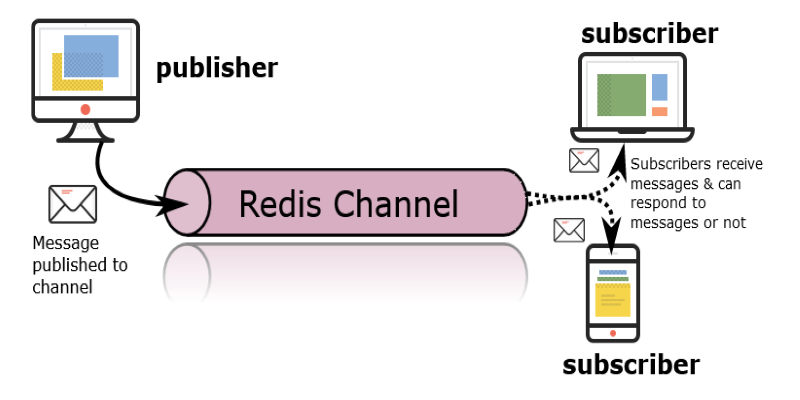
Need instant updates across your app? Learn how Redis Pub/Sub enables real-time messaging with zero setup, no queues, and blazing-fast delivery

What happens when energy expertise meets AI firepower? Schneider Electric and Nvidia’s partnership is transforming how factories are built and optimized—from virtual twins to real-world learning systems

Can machines truly think like us? Discover how Artificial General Intelligence aims to go beyond narrow AI to learn, reason, and adapt like a human
Learn key strategies for prompt engineering to optimize AI language models and improve response accuracy and relevance
Know the way full-stack data scientists can serve, and deliver machine learning models that make a real business difference

Are Microsoft and OpenAI breaking up? The evolving OpenAI partnership with Microsoft reveals deeper shifts in AI leadership, strategy, and independence

Machine learning is redefining identity theft detection by recognizing behavioral patterns, preventing fraud in real time, and improving accuracy. Discover how this technology helps organizations stay ahead of digital threats while creating a safer online experience for users

How computer vision starts with low-level vision tasks like edge detection, denoising, and motion analysis—laying the foundation for higher-level visual understanding